

A strong product is not enough to build a successful beauty brand.
Founders also need customer research, realistic budgets, reliable product development, clear branding, operational planning, and a marketing system capable of generating sales.
Poor decisions before launch can cause wasted capital, weak positioning, production delays, compliance issues, and low repeat purchase rates.
Seven mistakes create especially serious risks for new beauty businesses.
1. Skipping Market Research and Launching Without a Clear Audience
Trying to create a product for everyone usually produces unclear positioning. Product development should begin with a defined customer and a validated problem.
Research should identify several factors before significant money is committed:
- Customer age groups, lifestyles, beauty concerns, and spending habits
- Preferred product formats, ingredients, routines, and price ranges
- Direct competitors selling similar products
- Indirect competitors solving the same customer problem another way
- Common complaints found in reviews and customer discussions
- Gaps that existing products fail to address

Competitor analysis can reveal crowded claims, common pricing structures, packaging patterns, and recurring customer frustrations.
Such findings can help determine if a concept solves a genuine need or simply adds another similar product to an established category.
Emerging ingredient preferences and beauty trends also matter. Customer interest can shift toward specific actives, textures, application formats, sustainability expectations, or simplified routines.
Research may also show that an original idea needs adjustment.
Clear messaging matters just as much as the concept itself.
A grammar checker can help clean up product descriptions, website copy, and other customer-facing text before launch.
2. Launching Too Many Products at Once
A large launch assortment can drain cash before demand has been proven. Every additional SKU creates more development work, inventory exposure, packaging costs, testing requirements, and marketing complexity.
Launching around ten products at the same time can reduce focus while increasing costs. A smaller range makes it easier to establish a recognizable product proposition and direct customer attention toward a few priority items.

Each added SKU can create separate expenses in areas such as:
- Formulation and samples
- Testing and quality control
- Packaging components and artwork
- Manufacturing minimums
- Product photography and website content
- Inventory storage
- Advertising and promotional materials
One or a few hero products can give a new brand a clearer entry point into the market. Sales patterns, reviews, repeat purchases, and customer requests can then guide future expansion.
Start focused, prove demand, and expand according to customer response.
3. Underestimating the True Cost of Launching
Product formulation represents only part of a beauty startup’s financial requirements.
Spending most available capital on development and manufacturing can leave too little money to generate sales after inventory arrives.
A complete launch budget should account for costs that occur before and after production:
- Formulation and manufacturing
- Packaging design and components
- Testing and quality control
- Freight, warehousing, and fulfillment
- Website development and product photography
- Public relations and content production
- Advertising, creators, sampling, and customer acquisition
- Retail or sales support where applicable
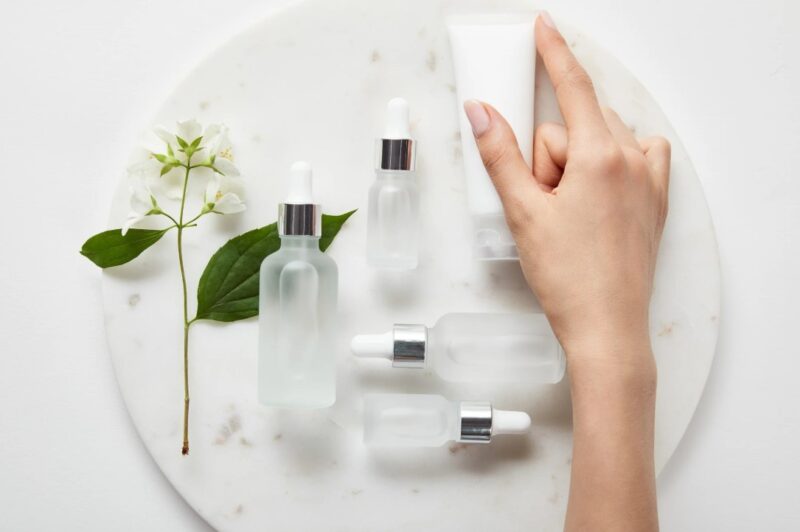
Financial projections should include unit costs, selling price, gross margin, fixed expenses, customer acquisition costs, and expected sales volume.
Break-even estimates can show how many units must sell before launch expenses are recovered.
Cash-flow timing also requires attention. Suppliers may require deposits before production, packaging may carry minimum order quantities, and freight or storage costs can increase unexpectedly.
4. Cutting Corners on Formulation, Testing, or Manufacturing
Marketing can generate an initial purchase, but product performance has a major effect on repeat business.
Poor texture, unstable formulas, inconsistent batches, leakage, or safety concerns can quickly damage customer trust.
Key ingredients should support the product’s claims and intended use. Trend-based ingredients add little value if their concentration, compatibility, stability, or practical benefit has not been properly considered.
Manufacturer selection should consider more than price.

Relevant category experience, quality systems, research and development capability, responsiveness, flexibility, production capacity, and communication standards can directly affect the finished product.
Low-cost production can become expensive when it leads to reformulation, complaints, returns, delayed inventory, or damaged reputation.
Saving money during product development can create much higher costs after launch.
5. Treating Branding and Packaging as Decoration
Branding is not limited to a logo, typeface, color palette, or attractive container.
Customers need a clear reason to recognize the brand, understand its value, and connect the product with a specific need.
Core brand decisions should define purpose, promise, positioning, values, personality, and tone of voice. Packaging should then support those decisions while fitting the intended customer and price point.
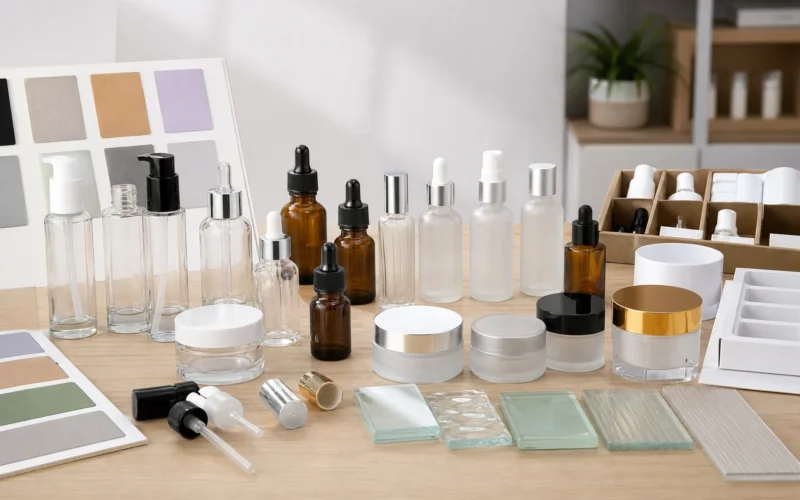
Custom molds, unusual materials, oversized components, complex finishes, or difficult assembly can raise costs without improving product performance.
A premium serum may justify packaging choices that would make little financial sense for an affordable mass-market item. Design decisions should therefore account for customer expectations and operating economics at the same time.
Strong beauty branding should be distinctive, credible, practical, and financially sustainable.
6. Trying to Do Everything Yourself and Rushing the Timeline
Beauty product development includes technical, operational, creative, and regulatory work. Inexperienced decisions in one area can delay several others.
A realistic launch schedule needs enough time for formulation, revisions, ingredient sourcing, packaging selection, artwork, testing, production, quality checks, freight, warehousing, and marketing preparation.
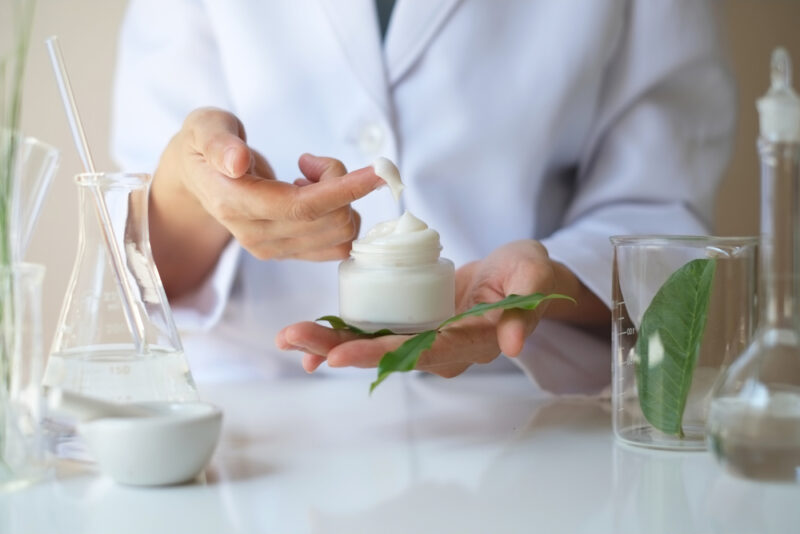
Several issues can disrupt that schedule:
- Ingredient shortages
- Late packaging deliveries
- Failed samples or test results
- Artwork corrections
- Manufacturer scheduling changes
- Shipping delays
- Customs problems
- Production quality issues
Arbitrary deadlines can create pressure to skip testing or approve weak solutions.
A delayed launch is often less damaging than releasing a product with unresolved quality, packaging, or compliance problems.
7. Assuming a Great Product Will Market Itself
Excellent products can fail commercially when customers do not discover them or understand why they should buy them. Marketing planning should happen alongside product development.
Founders need to identify where target customers discover beauty products, which messages matter to them, and how much acquiring those customers is likely to cost.
Possible acquisition channels include:
- Social media content
- Creator and influencer partnerships
- Paid advertising
- Public relations
- Search marketing
- Retail partnerships
- Affiliate programs
- Sampling
- Email marketing
- Events and educational content
- Professional recommendations
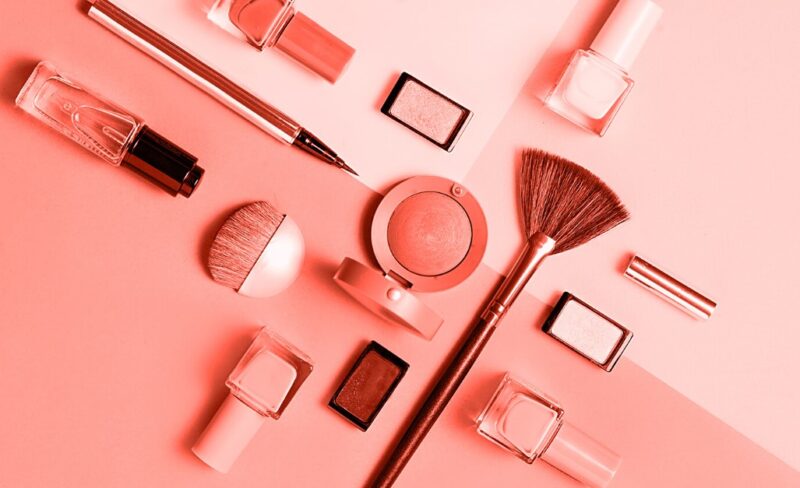
Each channel carries different financial and operational requirements. Creator programs may involve product seeding, fees, tracking, and management.
Paid campaigns require testing budgets. Retail can involve lower margins, promotional commitments, samples, and additional logistics.
Credibility also influences conversion. Clear claims, relevant expertise, transparent communication, appropriate research, and credible partnerships can reduce uncertainty for customers considering an unfamiliar brand.
Post-launch feedback provides another source of useful data.
Reviews, customer questions, repeat orders, returns, and support requests can reveal which benefits customers value, where messaging causes confusion, and which product improvements deserve attention.
Launch day starts customer acquisition. It does not finish it.
Summary
Successful beauty brands combine customer insight, focused product development, realistic financial planning, reliable quality, clear branding, skilled execution, and consistent marketing.
Manufacturing a product is only one part of building a viable company.
Founders also need enough capital to sell inventory, systems that protect product quality, clear positioning, dependable operations, and a plan for earning repeat purchases.
A successful launch creates a product customers understand, trust, buy, and want to purchase again.