
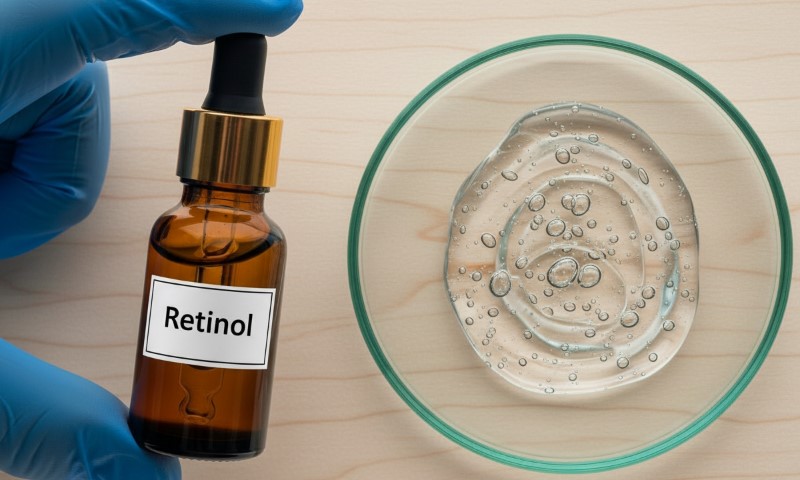
Yes. You can use vitamin C and retinol in the same overall skincare routine, but not in the same way, at the same time, or under the same skin conditions.
The safest, most evidence-supported approach is vitamin C in the morning and retinol at night.
This separation is not a cosmetic tradition. It is based on chemistry, skin physiology, and decades of dermatology research on irritation thresholds, pH stability, and cumulative barrier stress.
Why Vitamin C and Retinol Are Often Separated
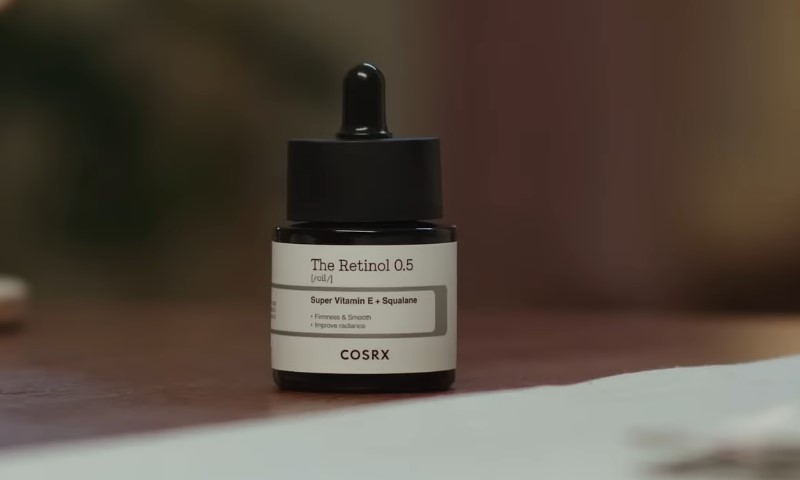
Vitamin C and retinol are both biologically active molecules that interact directly with skin cells. They do not simply sit on the surface. L-ascorbic acid, the most studied form of vitamin C, functions as a cofactor in collagen synthesis and as a direct antioxidant. Retinoids bind to nuclear receptors and alter gene transcription related to cell turnover, keratinization, and collagen production.
The problem is not that these ingredients chemically destroy each other on contact. That idea is outdated. The real issue is skin tolerance and optimal activity conditions.
Vitamin C, especially L-ascorbic acid, is most stable and bioavailable at a low pH, typically between 2.5 and 3.5. Retinol, by contrast, is more stable and better tolerated closer to the skin’s natural pH after cleansing, around 5.0 to 6.0. Applying both in the same routine increases the likelihood of irritation, erythema, and barrier disruption, particularly in unconditioned skin.
Clinical dermatology literature has consistently shown that irritation is the main limiting factor for retinoid adherence. Studies from the 1990s through the 2010s report discontinuation rates of topical retinoids as high as 30–40 percent due to dryness, peeling, and burning. Adding another acidic, active compound into the same routine compounds that risk without offering a measurable benefit.
Morning Use: Vitamin C as a Photoprotective Antioxidant
Vitamin C belongs in the morning routine because of its interaction with ultraviolet radiation and oxidative stress. UV exposure generates reactive oxygen species in the skin within minutes. These free radicals damage DNA, degrade collagen, and accelerate pigment formation.
Topical vitamin C neutralizes these free radicals. When combined with sunscreen, it does not replace UV filters but measurably improves photoprotection. A frequently cited study published in the Journal of the American Academy of Dermatology demonstrated that vitamin C combined with vitamin E and sunscreen reduced UV-induced erythema more effectively than sunscreen alone.
Vitamin C also inhibits tyrosinase, an enzyme involved in melanin production. This is why it is widely used for hyperpigmentation and post-inflammatory discoloration. Morning application ensures the antioxidant is present when oxidative stress actually occurs.
Caption: Vitamin C Morning Role Summary
| Function | Mechanism | Timing Rationale |
| Antioxidant protection | Neutralizes reactive oxygen species | UV exposure occurs during the daytime |
| Collagen support | Cofactor for pro-collagen synthesis | Supports long-term dermal integrity |
| Pigment regulation | Inhibits tyrosinase activity | Prevents UV-triggered pigmentation |
| Sunscreen synergy | Reduces residual UV damage | Enhances but does not replace SPF |
Night Use: Retinol and Skin Repair Cycles
Retinol is best used at night because of its interaction with light and its effect on epidermal turnover. Retinoids accelerate cell division and exfoliation, thinning the stratum corneum temporarily during early use. This increases photosensitivity. Applying retinol before sun exposure raises the risk of irritation and erythema.
Skin repair and regeneration follow circadian rhythms. Multiple studies have shown that DNA repair activity and barrier recovery peak at night. Retinol works in alignment with this process by increasing collagen synthesis, reducing matrix metalloproteinase activity, and normalizing keratinocyte differentiation.
Unlike vitamin C, retinol does not provide acute protective benefits against environmental stressors. Its benefits are cumulative and structural, developing over weeks to months of consistent use.
Caption: Retinol Night Role Summary
| Effect | Biological Action | Timing Advantage |
| Cell turnover | Increases keratinocyte proliferation | Matches nighttime repair cycle |
| Collagen stimulation | Activates retinoic acid receptors | Long-term dermal remodeling |
| Texture improvement | Normalizes desquamation | Reduced daytime irritation risk |
| Acne regulation | Decreases follicular plugging | Lower photosensitivity exposure |
Can Vitamin C and Retinol Be Used on the Same Day?
Yes. Using vitamin C in the morning and retinol at night is not only safe, but it is also the most commonly recommended dermatology routine for long-term skin aging, hyperpigmentation, and acne management.
This approach allows each ingredient to operate in its ideal biological context. Vitamin C protects against environmental exposure. Retinol repairs, during evidence separates them by time, reducing effectiveness. In fact, adherence and tolerance are higher with this structure.
What matters more than theoretical ingredient interaction is cumulative irritation. Splitting use across the day reduces inflammatory load and preserves the skin barrier, which directly influences treatment success.
Using Vitamin C and Retinol in the Same Routine: When It Fails
View this post on Instagram
Applying vitamin C and retinol back-to-back in the same routine is where problems arise. Not because one neutralizes the other, but because skin tolerance is exceeded.
Simultaneous use increases transepidermal water loss, disrupts lipid organization, and activates inflammatory pathways. This can lead to burning, stinging, scaling, and paradoxical pigmentation, especially in melanin-rich skin types.
Some formulations attempt to address this by encapsulating retinol or using vitamin C derivatives with higher pH tolerance. While this reduces irritation risk, it does not eliminate it, and evidence supporting superior outcomes is limited.
Caption: Same-Routine Use Risk Factors
| Risk Factor | Impact on Skin |
| Low pH stacking | Increased barrier disruption |
| Dual actives | Higher irritation probability |
| Sensitive skin | Greater inflammation response |
| New retinol users | Reduced adherence rates |
Vitamin C Forms and Their Compatibility With Retinol
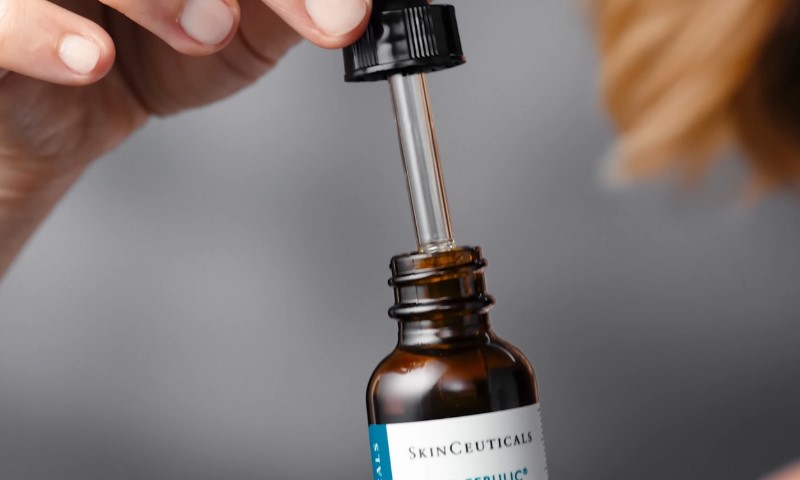
Not all vitamin C behaves the same way. L-ascorbic acid is the most studied and most potent form, but it is also the most irritating. Derivatives such as sodium ascorbyl phosphate or magnesium ascorbyl phosphate are more stable and less acidic, but they also require conversion within the skin, reducing immediate antioxidant capacity.
Using gentler derivatives does not automatically make the same routine use advisable. It only lowers the irritation ceiling. From an evidence standpoint, separation by time remains the lowest-risk approach.
Caption: Vitamin C Forms Comparison
| Form | pH Range | Stability | Irritation Risk | Clinical Evidence |
| L-ascorbic acid | 2.5–3.5 | Low | High | Extensive |
| Sodium ascorbyl phosphate | 6–7 | High | Low | Moderate |
| Magnesium ascorbyl phosphate | 6–7 | High | Low | Moderate |
| Ascorbyl glucoside | 5–7 | High | Low | Limited |
Skin Types and Condition-Specific Considerations
Skin type significantly affects how well vitamin C and retinol are tolerated. Oily, acne-prone skin often tolerates retinoids better due to higher baseline sebum levels, while dry or barrier-compromised skin experiences irritation faster.
Post-inflammatory hyperpigmentation, common in darker skin tones, requires particular caution. Irritation increases melanocyte activity, worsening discoloration. In these cases, strict separation of activities is not optional. It is necessary to avoid counterproductive outcomes.
Individuals with rosacea, eczema, or active dermatitis should not introduce both actives simultaneously without medical supervision.
Example Daily Routine Structure
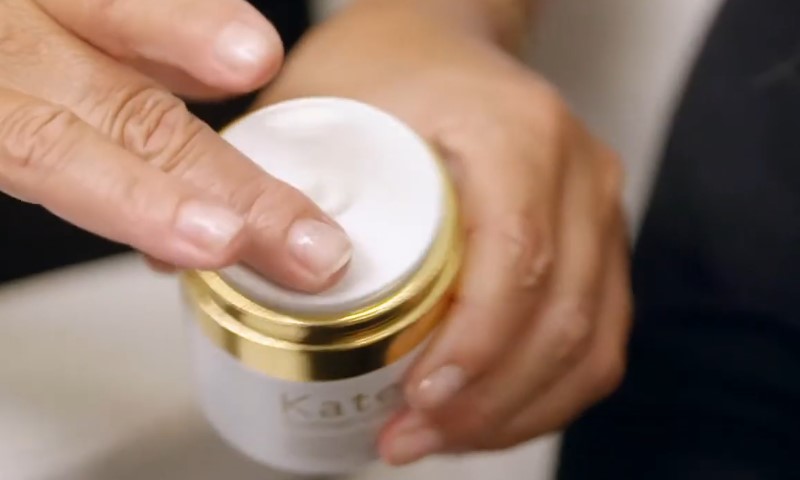
This structure reflects current dermatology consensus rather than influencer trends.
Caption: Morning and Night Routine Structure
| Time | Step Order | Key Active |
| Morning | Cleanser → Vitamin C → Moisturizer → Sunscreen | Vitamin C |
| Night | Cleanser → Retinol → Moisturizer | Retinol |
This sequence minimizes interaction risk and aligns with biological function. There is no performance advantage to compressing these steps into a single routine.
What the Evidence Actually Supports
Large-scale randomized trials comparing the same routine versus the split routine do not exist. However, indirect evidence from retinoid adherence studies, irritation reporting, and antioxidant photoprotection research consistently supports separation.
Dermatology guidelines from organizations such as the American Academy of Dermatology emphasize tolerability as the primary determinant of long-term benefit. An ingredient that cannot be used consistently provides no advantage, regardless of theoretical synergy.
Bottom Line
Vitamin C and retinol can and should be used together in a skincare regimen, but not at the same time. Vitamin C is beneficial in the morning for antioxidant defense and pigment control. Retinol belongs at night for cellular repair and collagen stimulation. Separating them by time is not a compromise. It is the most evidence-aligned strategy for maximizing benefit while minimizing inflammation.
The success of this combination depends less on formulation hype and more on respecting skin biology, barrier limits, and circadian repair cycles.