
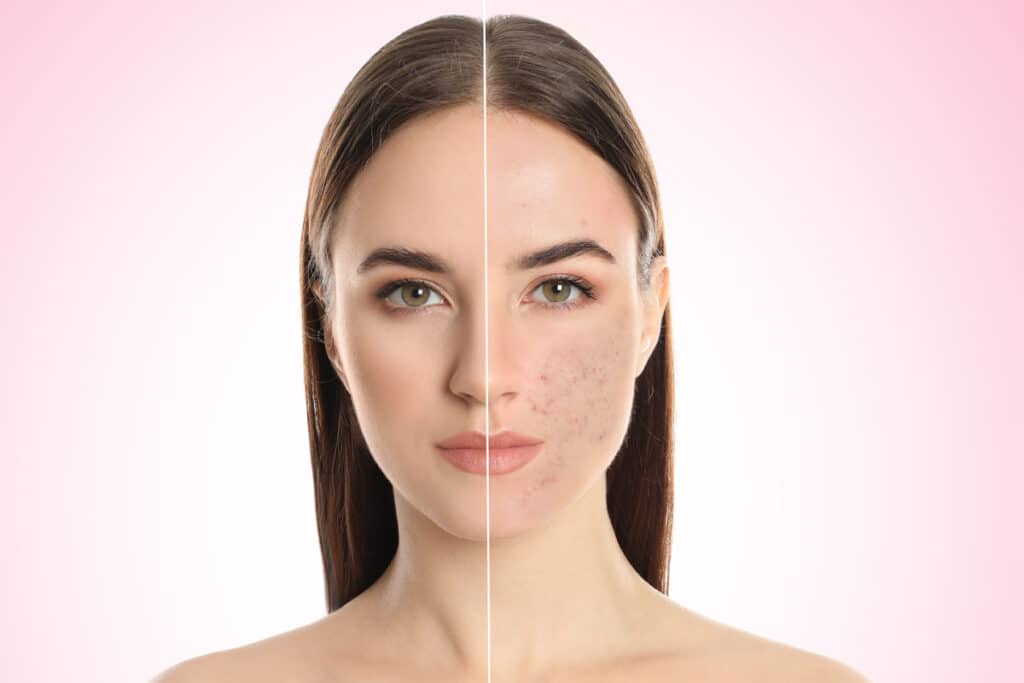
Acne scars are more than just a cosmetic concern. They can affect confidence and the way we perceive ourselves. For individuals with sensitive skin, the thought of undergoing treatment can feel intimidating.
Sensitivity often brings questions about irritation, reactions, or the overall safety of cosmetic procedures. Fortunately, modern dermatology has evolved to offer targeted solutions that are gentle yet effective, even for delicate skin types.
Sensitive skin requires careful consideration during any treatment process. Over-the-counter remedies and aggressive procedures may trigger redness, burning, or prolonged irritation. That is why consulting a professional for personalized care is crucial. Understanding the underlying scar type and the skin’s tolerance will guide treatment choices that provide results without causing harm.
Understanding Sensitive Skin and Scar Formation
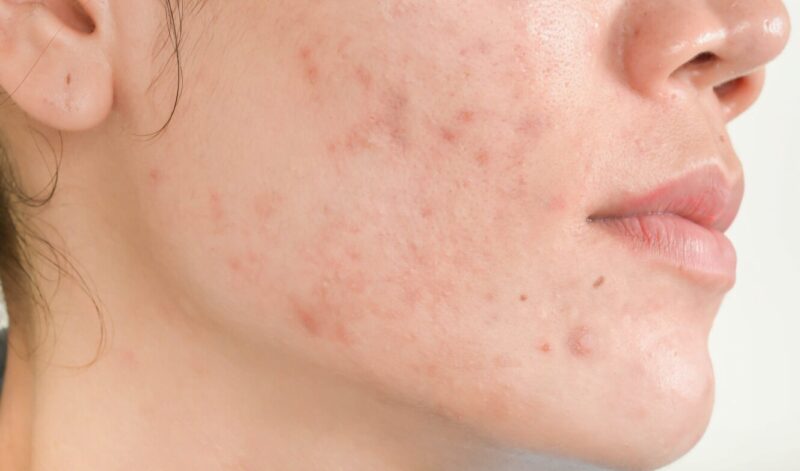
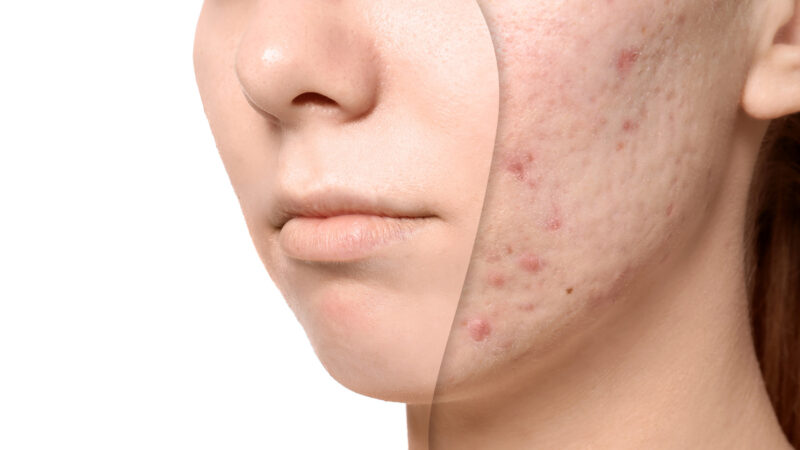
Not all acne scars are the same. They vary from shallow marks to deeper, more pronounced indentations. Shallow scars may only affect the skin’s surface, whereas deeper scars involve the dermis, requiring more intensive care. Sensitive skin often reacts more strongly to treatments, making the choice of procedure critical.
Singapore acne scar treatment focuses on balancing efficacy and gentleness. Dermatologists evaluate factors such as scar depth, skin type, and previous reactions to procedures. The goal is to improve skin texture while minimizing the risk of adverse reactions. Treatments are often combined with pre- and post-care plans to support healing and enhance results.
Common Treatments Suitable for Sensitive Skin
For sensitive skin, treatments are carefully chosen to avoid overstimulation or irritation.
- Microneedling: a popular option that creates tiny channels in the skin to stimulate natural collagen production. When performed with precision, it minimizes trauma while promoting gradual improvement in scar appearance.
- Laser therapy: can be tailored for sensitive skin. Certain types of lasers deliver energy in controlled doses to target scar tissue without overexposing surrounding areas. Fractional or low-intensity laser sessions are often preferred to ensure comfort and safety.
- Chemical peels and topical treatments: can complement procedural interventions. Mild formulations designed for delicate skin help with discoloration and texture irregularities.
Dermatologists often recommend gentle exfoliation combined with nourishing serums to reinforce skin resilience.
Preparing for Cosmetic Scar Treatment
Preparation is vital for sensitive skin. Patients should maintain a consistent skincare routine, focusing on hydration and gentle cleansing. Avoiding harsh products or excessive sun exposure prior to treatment helps reduce the risk of irritation. Dermatologists may also recommend patch testing before certain procedures to ensure compatibility with the skin.
Open communication with the treating specialist is key. Discussing concerns, previous reactions, and expectations helps create a treatment plan tailored to individual needs. It also provides reassurance, reducing anxiety about potential side effects or discomfort during the procedure.
Post-Treatment Care and Maintenance
After undergoing acne scar treatment, proper aftercare plays a critical role in maintaining results. Gentle moisturizers help support the skin barrier, while broad-spectrum sunscreen protects newly treated areas from sun-induced pigmentation. Patients are encouraged to avoid aggressive scrubbing, hot water, or harsh chemicals until the skin has fully recovered.
Regular follow-ups with the dermatologist ensure progress is monitored, and adjustments can be made if needed. With consistent care, sensitive skin can respond positively to treatment, showing noticeable improvements in texture, tone, and overall appearance.

Lifestyle and Skin Health
Beyond clinical treatments, lifestyle factors contribute to scar improvement and skin resilience. A balanced diet rich in antioxidants and vitamins supports collagen synthesis and tissue repair. Adequate hydration maintains elasticity, while stress management helps reduce inflammation that may exacerbate skin sensitivity.
Sleep quality and exercise routines also play roles in skin health. Rest allows cellular repair, while exercise improves circulation, aiding in nutrient delivery to the skin. Combining professional treatment with healthy habits maximizes results and helps maintain long-term skin health.
When to Seek Professional Help
Patients with sensitive skin should seek professional care when:
- Acne scars are persistent or worsening
- Over-the-counter treatments cause irritation or redness
- Skin exhibits severe sensitivity, itching, or inflammation
- Previous treatments led to adverse reactions
- Guidance is needed to determine the safest and most effective procedure
A dermatologist’s assessment ensures treatment is both safe and effective, particularly for those with delicate skin types.
Enhancing Confidence Through Gentle Care
Singapore acne scar treatment for sensitive skin focuses on gradual, controlled improvement. Procedures are customized to each individual, promoting smoothness, reduced scarring, and even skin tone without unnecessary discomfort. Patients can regain confidence while knowing their skin’s delicate nature is respected.
Treatments do not have to be harsh to be effective. With proper evaluation, expert guidance, and consistent care, even sensitive skin can experience significant improvements. This approach emphasizes patience, realistic expectations, and personalized solutions for long-lasting results.
Commonly Asked Questions
Will sensitive skin react badly to acne scar treatments
When managed by a professional and with gentle procedures, adverse reactions are minimal.
How many sessions are typically needed
The number varies depending on scar severity and skin tolerance, but many see improvement after a few sessions.
Is there downtime after treatment
Downtime is often minimal, especially with less invasive procedures tailored for sensitive skin.
Can results be permanent
With consistent skincare and follow-up, improvements are long-lasting, although maintenance sessions may be recommended.
Are treatments painful
Most procedures are well-tolerated, and dermatologists use topical numbing or cooling to ensure comfort.
Next Steps
If your sensitive skin has been holding you back from seeking acne scar treatment, now is the time to consult a qualified clinic. Personalized care ensures effective results while respecting your skin’s sensitivity. By combining professional procedures, careful aftercare, and healthy lifestyle choices, you can gradually restore smoothness, confidence, and a radiant complexion.