
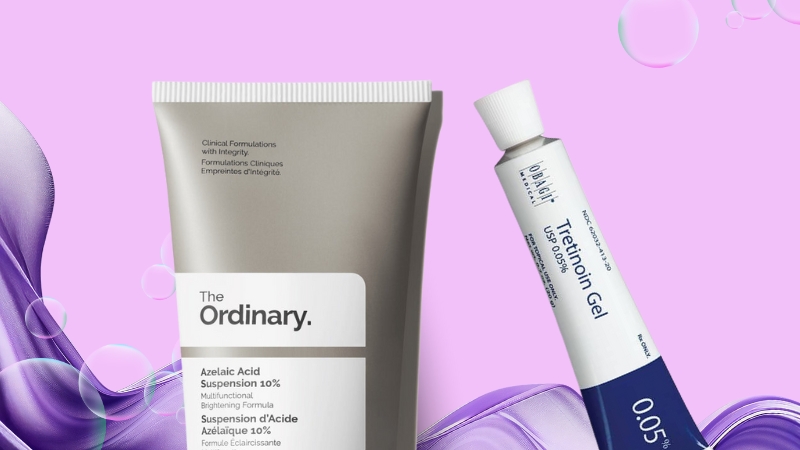
Tretinoin works better if the goal is aggressive acne control and faster pigment turnover, but azelaic acid works better for many people in real life because it treats acne and dark spots with fewer side effects, lower irritation risk, and higher long-term adherence.
Clinical studies consistently show stronger comedolytic and pigment normalizing effects with tretinoin, while azelaic acid shows comparable improvement in mild to moderate acne and hyperpigmentation with better tolerability and safety across skin tones.
How Azelaic Acid Works on Acne and Dark Spots
Azelaic acid is a dicarboxylic acid that acts simultaneously on acne bacteria, abnormal keratinization, inflammation, and excess melanin production. Unlike exfoliating acids, it does not rely on surface irritation to work.
Instead, it penetrates follicles to reduce Cutibacterium acnes activity and normalize the way skin cells shed inside pores. This makes it effective for inflammatory acne without triggering the classic retinoid purge.
For pigmentation, azelaic acid inhibits tyrosinase, the enzyme responsible for melanin synthesis. This action targets post-inflammatory hyperpigmentation at its source rather than accelerating pigment removal through irritation.
Clinical trials using 15 percent gel and 20 percent cream consistently show a 50 to 70 percent reduction in inflammatory acne lesions after 12 to 16 weeks, alongside steady fading of dark spots over the same period.
A critical advantage is safety. Azelaic acid does not damage melanocytes, does not bleach surrounding skin, and does not increase photosensitivity.
It is widely prescribed for acne in darker skin tones and for patients prone to pigment relapse. Long-term use is well documented, with no evidence of tachyphylaxis or rebound effects.
How Tretinoin Works on Acne and Dark Spots
View this post on Instagram
Tretinoin is a topical retinoid that binds directly to nuclear retinoic acid receptors, altering gene expression in keratinocytes. This results in accelerated epidermal turnover, reduced microcomedone formation, and normalization of follicular epithelium.
Over time, this mechanism fundamentally changes how acne develops, which is why tretinoin is considered a first-line treatment for comedonal acne.
For dark spots, tretinoin works indirectly. Faster cell turnover disperses melanin granules more evenly and shortens the lifespan of pigmented keratinocytes.
Studies using concentrations from 0.025 to 0.1 percent show visible acne improvement within 8 to 12 weeks and more pronounced pigment reduction by 16 to 24 weeks.
The limitation is irritation. Erythema, peeling, burning, and dryness are common during the first several weeks. Niacinamide is often paired with tretinoin in clinical routines because it helps strengthen the skin barrier and reduce irritation without interfering with retinoid activity.
In skin prone to hyperpigmentation, this inflammatory phase can temporarily worsen dark spots. Strict sun protection and careful dose escalation are essential to prevent setbacks.
Acne Effectiveness Comparison
When comparing acne outcomes directly, tretinoin shows superior performance in preventing new comedones and maintaining long-term acne remission.
Azelaic acid, however, performs comparably for inflammatory lesions such as papules and pustules, especially in mild to moderate acne.
The difference becomes clearer when adherence is considered. Multiple dermatology studies report higher discontinuation rates with tretinoin due to irritation, while azelaic acid users are more likely to continue treatment beyond three months.
In practical terms, consistent moderate efficacy often outperforms intermittent high efficacy.
Acne Outcomes Comparison
Parameter
Azelaic Acid
Tretinoin
Best Acne Type
Mild to moderate inflammatory acne
Comedonal and moderate acne
Initial Improvement
4 to 8 weeks
6 to 12 weeks
Long-Term Prevention
Moderate
High
Acne Purge Risk
Rare
Common
Treatment Discontinuation Rate
Low
Higher
Dark Spots and Hyperpigmentation Results
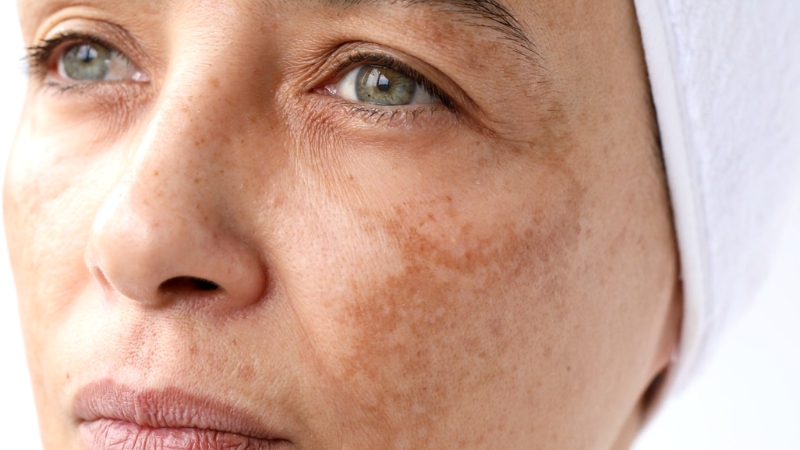
For post-inflammatory hyperpigmentation, azelaic acid has a strong advantage in safety and predictability. Its direct suppression of abnormal melanin production makes it particularly effective for medium to deep skin tones.
Improvement tends to be gradual but stable, with low relapse risk.
Tretinoin can fade dark spots faster in lighter skin tones but carries a higher risk of irritation-induced pigmentation.
Comparative studies show that azelaic acid 20 percent achieves similar PIH reduction to tretinoin 0.05 percent by 24 weeks, with significantly fewer adverse effects. In melasma research, azelaic acid consistently demonstrates lower recurrence rates.
Parameter
Azelaic Acid
Tretinoin
PIH Reduction
High
High
Melasma Safety
High
Moderate
Risk Of Pigment Worsening
Low
Moderate
Suitable For Darker Skin Tones
Yes
With caution
Speed Of Visible Fading
Moderate
Faster initially
Tolerance, Side Effects, and Long-Term Use
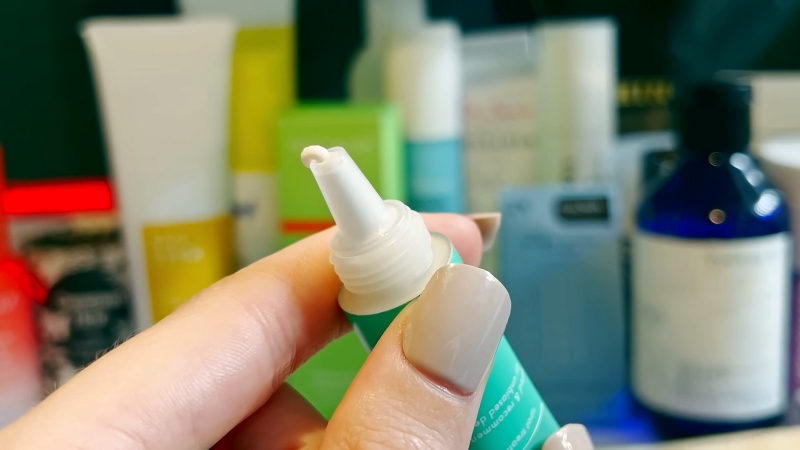
Azelaic acid is generally well-tolerated. Mild tingling or itching may occur during the first one to two weeks, but barrier disruption is minimal.
It can be used once or twice daily, layered with other actives, and maintained indefinitely.
Tretinoin requires a structured adaptation period. Most users need reduced frequency, buffering with moisturizers, and months of gradual escalation.
While long-term benefits are well established, irritation-driven non-adherence is common, especially outside controlled clinical settings.
Aspect
Azelaic Acid
Tretinoin
Pregnancy Use
Generally accepted
Not recommended
Photosensitivity
Minimal
High
Barrier Damage Risk
Low
Moderate to high
Suitable For Sensitive Skin
Often
Rarely
Long-Term Daily Use
Yes
Yes, with management
Final Comparison and Real World Choice
@isomerskincare Tretinoin VS Azelaic acid👩🏼🔬🧪#Tretinoin #AzelaicAcid #SkinCare #BeautyTips #SkinHealth #AcneTreatment #SkinCareRoutine #HealthySkin #BeautyEssentials ♬ original sound – Isomerskincare
If the priority is maximum acne suppression and long-term structural change, tretinoin remains the stronger agent. If the priority is controlling acne while safely fading dark spots, especially in pigment-prone skin, azelaic acid is the more reliable option.
In real-world dermatology, outcomes are driven less by theoretical potency and more by sustained use.
For many patients, azelaic acid delivers better overall results because it can be used continuously without triggering irritation-related setbacks.