

Reading cosmetic labels is essential for knowing what goes on skin instead of relying on packaging promises or advertising language.
Many cosmetic products promote ingredients that exist only in trace amounts, such as argan oil listed close to the bottom of an ingredient list, which creates a misleading impression of benefit.
Marketing terms like natural or organic often lack meaning without an official certification logo and do not describe the full formula.
Learning label literacy allows smarter product choices, reduces the risk of irritation, and helps avoid ingredients that conflict with individual skin needs.
Anatomy of a Cosmetic Label
Cosmetic packaging presents information required for legal compliance, consumer safety, and practical use.
Several components usually appear on outer packaging or containers, each carrying functional value:
- Product name and brand identify origin and positioning.
- Intended use or description explains the purpose, such as:
- Cleanser
- Moisturizer
- Sunscreen
- The ingredient list written in INCI format provides full formula disclosure.
- Certification or marketing symbols communicate ethical or formulation claims.
- Net weight or volume states quantity in standardized units.
- Usage and storage instructions support safe application.
- Manufacturer or distributor contact details ensure traceability.
- PAO symbol or expiration date indicates usable time frame.
Certification marks require careful evaluation. Some symbols represent verified standards, while others exist purely for branding.
Trustworthy certifications appear only through established organizations.
- Soil Association, COSMOS, and Ecocert relate to organic or natural claims.
- PETA and Leaping Bunny verify cruelty-free status.
- Vegan Society confirms the absence of animal-derived ingredients.
Brand-created icons lack independent oversight and often function as decorative marketing tools rather than proof of compliance.
Ingredient List and INCI Format
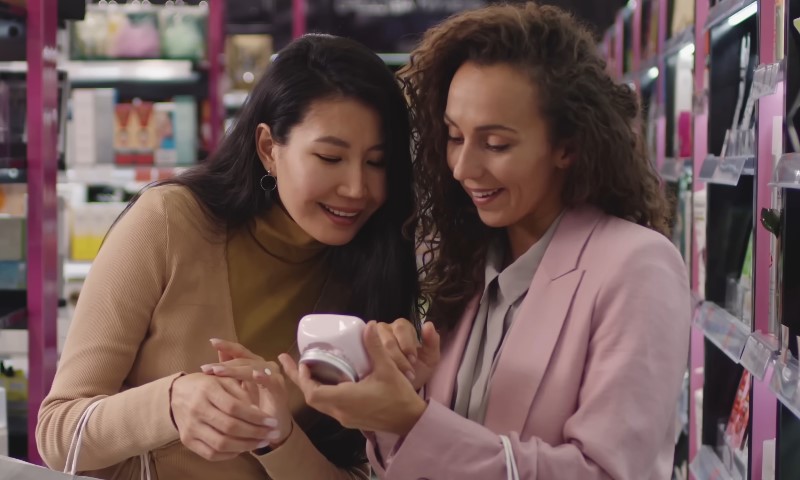
INCI means International Nomenclature of Cosmetic Ingredients and functions as the global language for cosmetic labeling.
Ingredient order follows concentration levels until reaching one percent. Any component below that threshold may appear in random order.
Scientific terminology often intimidates consumers, especially plant-based ingredients written in Latin.
Names such as Rosmarinus officinalis oil and Helianthus annuus seed oil simply describe rosemary oil and sunflower seed oil. Length or complexity does not indicate danger.
Several commonly misunderstood ingredients perform beneficial roles in formulas:
- Tocopherol equals vitamin E and acts as an antioxidant.
- Xanthan Gum thickens and stabilizes texture.
- Cetyl Alcohol serves as a fatty alcohol that supports moisture and formula stability.
- Citric Acid adjusts pH for skin compatibility.
- Sorbitan Olivate functions as an emulsifier created using olive oil and sorbitol.
Knowing exactly what to look for when reading improves accuracy. Tools like a word counter can help analyze the ingredient list length and identify where hero ingredients actually appear, often low on the INCI list, signaling minimal concentration.
Fragrance allergens like linalool or limonene usually appear near the end.
Ingredient decoding tools such as Skin Deep, Cosmetics Info, Paula’s Choice Ingredient Dictionary, and the Chemical Maze App assist with interpretation.
Fragrances in Cosmetics

Fragrance labeling varies and often lacks transparency. Parfum or Fragrance indicates a mixture that may contain dozens of undisclosed scenting chemicals.
Essential oils also act as fragrance agents and remain highly concentrated substances.
Skin reactions frequently trace back to fragrance exposure.
Synthetic fragrance ranks among the most common irritation triggers, especially for sensitive skin.
Essential oils, despite their natural origin, can still cause redness, burning, or dermatitis.
Certain fragrance allergens appear repeatedly on labels and deserve recognition:
- Geraniol
- Linalool
- Limonene
- Citral
Label wording carries important distinctions. Fragrance-free products contain no added scent ingredients.
Unscented products may still include masking agents designed to neutralize odor, which can provoke irritation without producing noticeable scent.
Avoidance benefits specific skin conditions.
Individuals dealing with sensitive skin, rosacea, eczema, seborrheic dermatitis, or barrier damage caused by acids or retinoids often experience improved tolerance with fragrance-free formulas.
Alcohols in Cosmetics
View this post on Instagram
Alcohol ingredients differ greatly in purpose, performance, and skin response.
Name alone does not determine effect, since structure and concentration matter more than category labels.
Two main groups appear repeatedly in cosmetic formulas and create opposite outcomes on the skin.
Drying or simple alcohols exist to support fast-drying textures and lightweight finishes.
Alcohol denat., ethanol, and isopropyl alcohol reduce viscosity and help products absorb quickly.
Manufacturers often rely on these ingredients in toners, acne treatments, and setting products.
Repeated exposure creates cumulative effects that deserve attention:
- Moisture loss increases due to rapid evaporation.
- Barrier lipids weaken over time.
- Sensations such as stinging or burning become more likely.
Facial products present greater concern because facial skin remains thinner and more reactive.
Eye-area formulas pose even greater risk due to fragile tissue and frequent movement.
Dry or sensitive skin types experience these effects more intensely, especially during daily use.
Fatty alcohols operate through a different mechanism and generally support skin comfort.
Cetyl alcohol, stearyl alcohol, and cetearyl alcohol originate using plant oils or animal fats and share structural similarity with skin lipids.
Several functional roles explain their widespread use:
- Emollient action softens and smooths the skin surface.
- Emulsifying properties stabilize oil and water mixtures.
- Texture stabilization improves consistency and spreadability.
Dryness does not occur with fatty alcohols. Moisture retention often improves because these ingredients reinforce barrier structure instead of disrupting it.
Ingredient placement on labels provides practical insight during product selection.
Drying alcohols listed near the top indicate higher concentration and greater irritation potential.
Fatty alcohols appearing alone or positioned lower on the list usually signal a supportive formulation design aimed at maintaining barrier health.
Preservatives and Product Safety
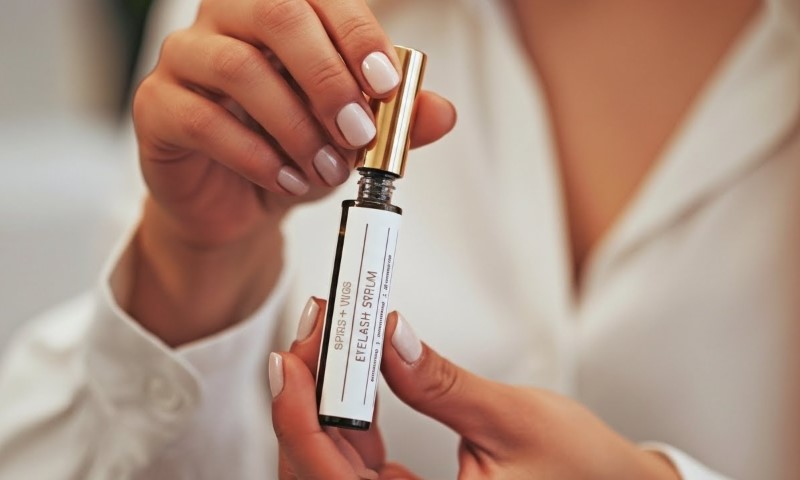
Preservatives protect cosmetic formulas against bacteria, yeast, mold, and fungal growth.
Water-based products require preservation to remain safe during normal use.
Label symbols communicate shelf life information. PAO icons show safe usage time after opening and often display 6M, 12M, or 24M.
Some packaging includes a best-before date marked with an hourglass symbol.
Preservative systems vary in strength and tolerance:
- Parabens offer broad-spectrum protection yet carry disputed endocrine concerns and possible allergy risk.
- Phenoxyethanol controls bacteria and yeast but may irritate sensitive skin, especially near the eyes or in infant products.
- Formaldehyde releasers such as DMDM Hydantoin and Quaternium-15 release small amounts over time and present a higher allergy risk.
- Potassium sorbate, sodium benzoate, and dehydroacetic acid serve as gentler alternatives commonly used in natural formulas.
Packaging choice influences contamination risk. Pump bottles and tubes limit exposure to air and fingers, supporting preservation effectiveness.
Jars increase contamination potential due to repeated contact during use.
Summary
Label knowledge supports safer and more informed skincare decisions.
Long chemical names or marketing language should not cause confusion or fear.
Ingredient order, ingredient type, and certification status matter most.
Sensitive or reactive skin benefits greatly through awareness of:
- Fragrance sources
- Alcohol types
- Preservative systems
Practice builds confidence. Reviewing current products and analyzing INCI lists strengthens decision-making before future purchases.