

Pigmentation issues are a common concern for many individuals, affecting confidence and skin appearance. Sun exposure, hormonal changes, and lifestyle factors can all contribute to pigmentation, making it a persistent challenge.
Many wonder if cosmetic interventions can prevent pigmentation from returning or if results are only temporary. Modern dermatology offers treatments that address pigmentation effectively while minimizing the risk of recurrence.
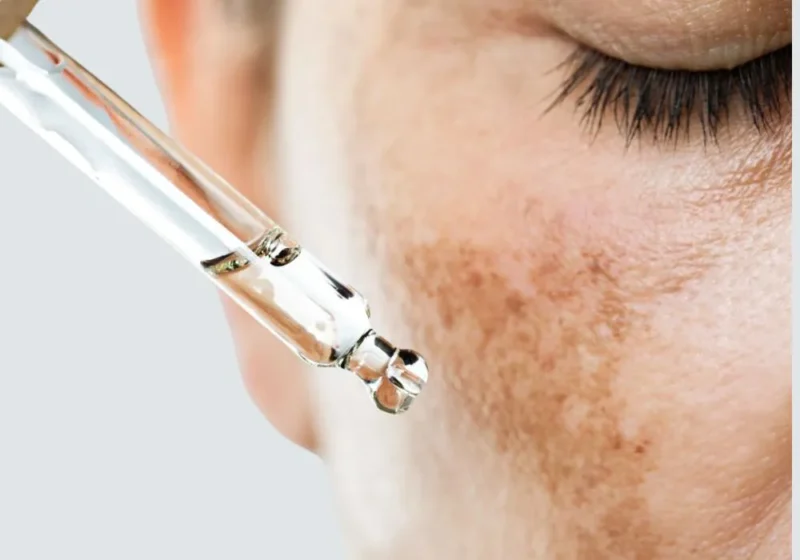
Understanding pigmentation is essential before exploring treatment options. Pigmentation occurs when melanin, the pigment responsible for skin color, is produced in excess or unevenly.
This can result in dark spots, patches, or uneven skin tone. Triggers can vary, including sun exposure, acne scars, hormonal shifts, and even certain medications. For those seeking a lasting solution, professional intervention is often more effective than home remedies alone.
Approaches to Pigmentation Management
Effective pigmentation treatments in Singapore focus on balancing safety and efficacy. Dermatologists consider skin type, pigmentation severity, and lifestyle factors when recommending options. Treatment methods may include topical solutions, chemical peels, laser therapies, and targeted cosmetic procedures. These approaches work to reduce existing pigmentation and prevent new patches from forming.
- Laser therapy: a popular choice for pigmentation treatments Singapore. Advanced laser technologies selectively target pigmented cells without damaging surrounding tissue. The energy delivered promotes the breakdown of excess melanin while stimulating skin renewal. Sessions are typically customized based on the severity and depth of pigmentation to ensure both effectiveness and safety.
- Chemical peels: can also be tailored to address pigmentation. Mild to moderate peels help exfoliate the skin, removing superficial pigment and encouraging new, healthy skin growth. When combined with professional guidance, these treatments minimize irritation and maximize results for sensitive skin types.
- Topical treatments: prescription creams containing ingredients like hydroquinone, retinoids, or vitamin C, can complement procedural interventions. These formulations help prevent new pigmentation and maintain the results achieved from more intensive treatments.

Lifestyle and Preventive Measures
Even with effective cosmetic procedures, lifestyle habits play a crucial role in maintaining results. Sun protection is essential, as UV exposure is a leading cause of pigmentation recurrence. Daily use of broad-spectrum sunscreen, protective clothing, and limiting sun exposure during peak hours can help maintain the improvements achieved.
A skincare routine that includes gentle cleansing, moisturization, and antioxidant support further protects the skin from pigmentation triggers. Avoiding harsh scrubs, over-exfoliation, or products that irritate the skin can reduce the risk of inflammation-induced pigmentation.
Diet and hydration also influence skin health. Consuming nutrient-rich foods and staying well-hydrated supports the skin’s natural repair mechanisms, enhancing the effects of cosmetic treatments. Sleep and stress management are additional factors that help regulate skin health and pigmentation levels.
Preparing for Cosmetic Pigmentation Treatments
Before undergoing any cosmetic intervention, preparation is key. A consultation with a dermatologist helps determine the best approach based on skin type and pigmentation characteristics. Patients should disclose any previous treatments, allergies, or skin sensitivities to ensure a safe treatment plan.
Pre-treatment care may include avoiding sun exposure, using specific topical agents, or ceasing certain skincare products that could interfere with treatment efficacy. Open communication with the dermatologist ensures expectations are realistic and that potential side effects are minimized.
Post-Treatment Care
After pigmentation treatments, proper aftercare is critical. Patients are advised to continue sun protection, use gentle moisturizers, and follow specific instructions provided by their dermatologist. Post-treatment care prevents irritation, supports skin healing, and reduces the likelihood of pigmentation returning.
Consistency in aftercare routines significantly influences long-term results. Patients who adhere to recommended skincare and protective measures are more likely to maintain even skin tone and reduced pigmentation over time.
When to Seek Professional Help
Seek professional guidance if:
- Pigmentation worsens or spreads despite home care
- Skin exhibits irritation, redness, or unusual reactions after treatments
- Over-the-counter remedies fail to improve pigmentation
- There is uncertainty about the safest or most effective procedure
- Pigmentation is affecting self-confidence or daily life
Professional evaluation ensures personalized treatment, minimizes risks, and provides the most effective approach to controlling pigmentation.
Sustaining Results for Radiant Skin
Achieving lasting results requires a combination of professional treatments and consistent care. Dermatologists in Singapore use a personalized approach for pigmentation treatments Singapore, taking into account individual skin characteristics and lifestyle factors. With targeted procedures, proper skincare, and preventive habits, patients can enjoy a smoother, more even complexion over time.
Cosmetic interventions are most effective when they are part of a comprehensive strategy. Integrating treatments with daily protection and healthy habits helps prevent pigmentation from returning, enhancing both appearance and confidence.

Commonly Asked Questions
How long does it take to see results from pigmentation treatments
Results vary depending on the treatment type and severity, but many patients notice improvements within a few weeks to months.
Are pigmentation treatments painful
Most procedures are well-tolerated, and dermatologists often use numbing agents or cooling techniques for comfort.
Can pigmentation return after treatment
Without preventive measures like sun protection and proper skincare, pigmentation can reappear over time.
How many sessions are typically required
The number of sessions depends on the type of pigmentation, skin type, and treatment method recommended by the dermatologist.
Are there any side effects
Temporary redness, mild irritation, or slight peeling may occur, but these effects usually subside with proper care.
Next Steps
If pigmentation has been a persistent concern, scheduling a consultation with a qualified dermatologist is the first step. A personalized treatment plan, combined with preventive skincare and lifestyle adjustments, can reduce existing pigmentation and minimize the risk of recurrence. Consistency, professional guidance, and realistic expectations will help you achieve a brighter, more even complexion that lasts.